
Decentralized seed banking at
LA’s nature centers
Building capacity for community-stewarded conservation efforts
The case for community-stewarded native seed banks
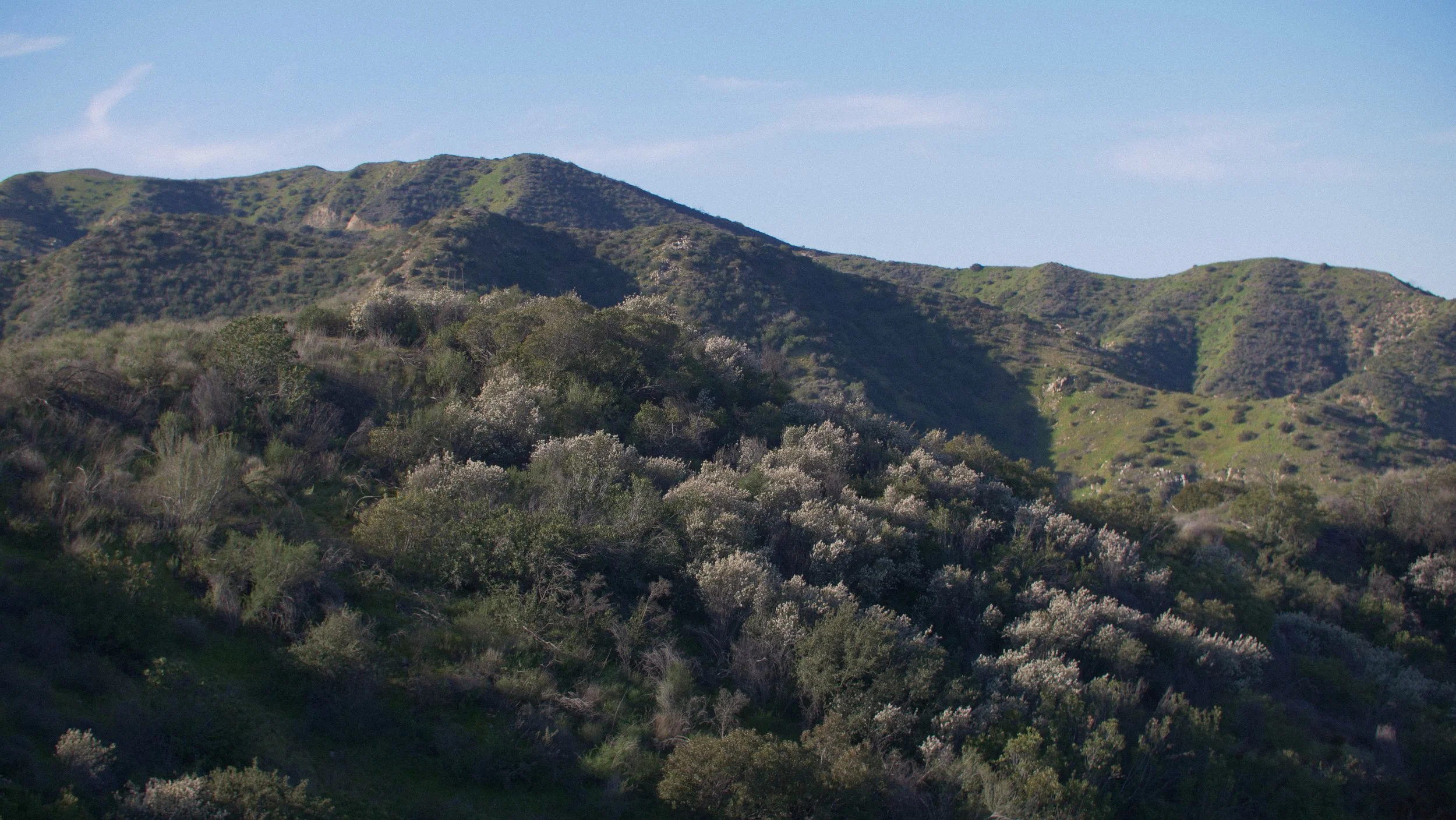
California is the most biodiverse region in the country, but is suffering from biodiversity loss at staggering rates; native species in California have declined by 20%, with hundreds of species facing extinction. The majority of seed banks store agricultural seeds, while State and Federal facilities focus on forest conservation (overlooking valuable understory plants).
The Global Strategy for Plant Conservation named seed banking as one of the most important endeavors of our time, but native seed banks are relatively sparse and often under-resourced, and professional training has significant barriers to entry.
As high-intensity fires and major climatic events become more frequent, we’re faced with an opportunity to reevaluate our relationship to preparedness and stewardship.
What is decentralized seed banking?
A decentralized model of seed banking will allow nature centers to support one another by splitting accessions and storing backups on each other’s behalf. This approach will create much-needed redundancy in conserved seed populations, stored in community across the region. Partnering seed banks will act as insurance policies for one another; if one nature center is damaged or destroyed, a backup collection of their hyper-local seeds could be withdrawn for restoration, if needed.
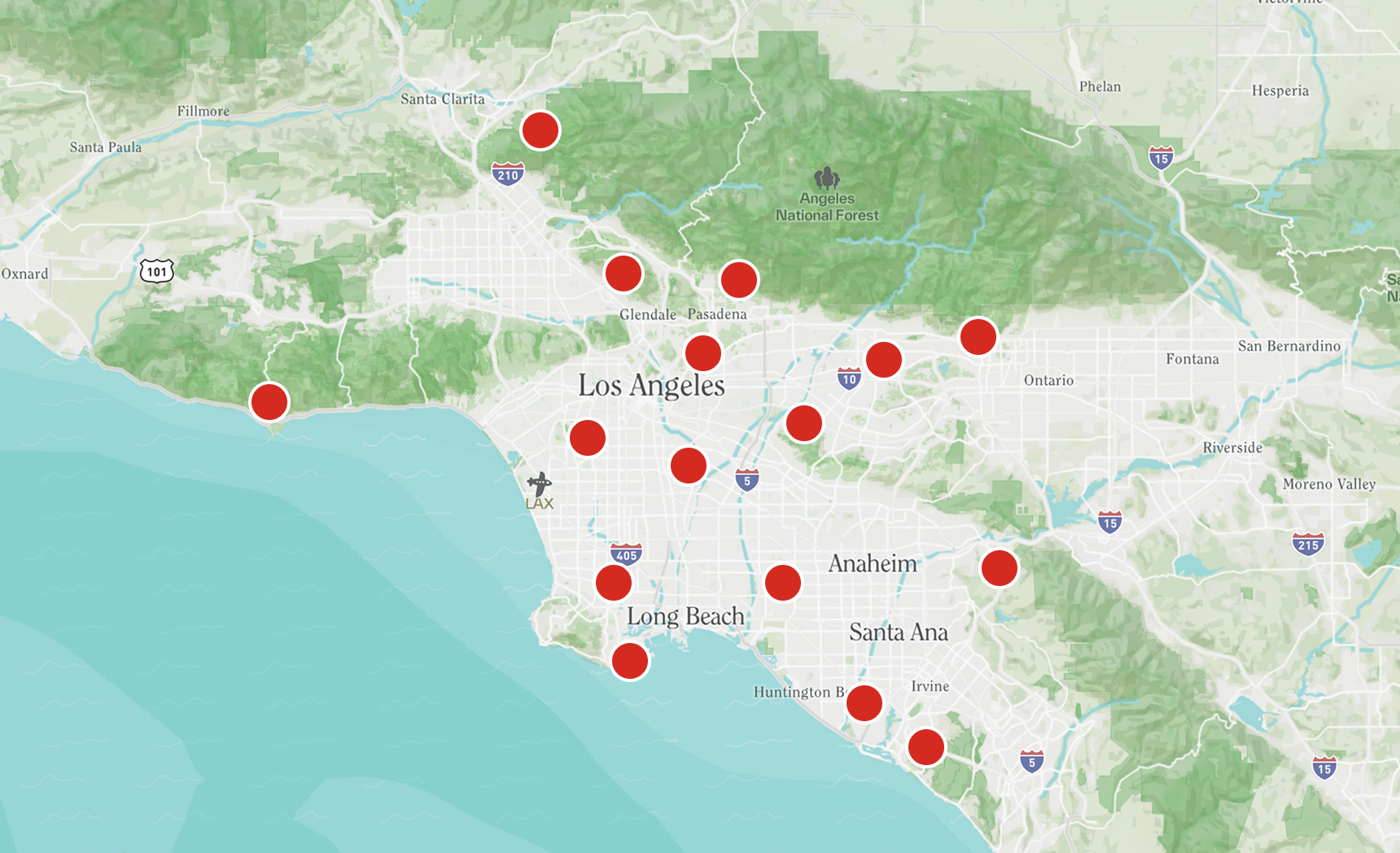
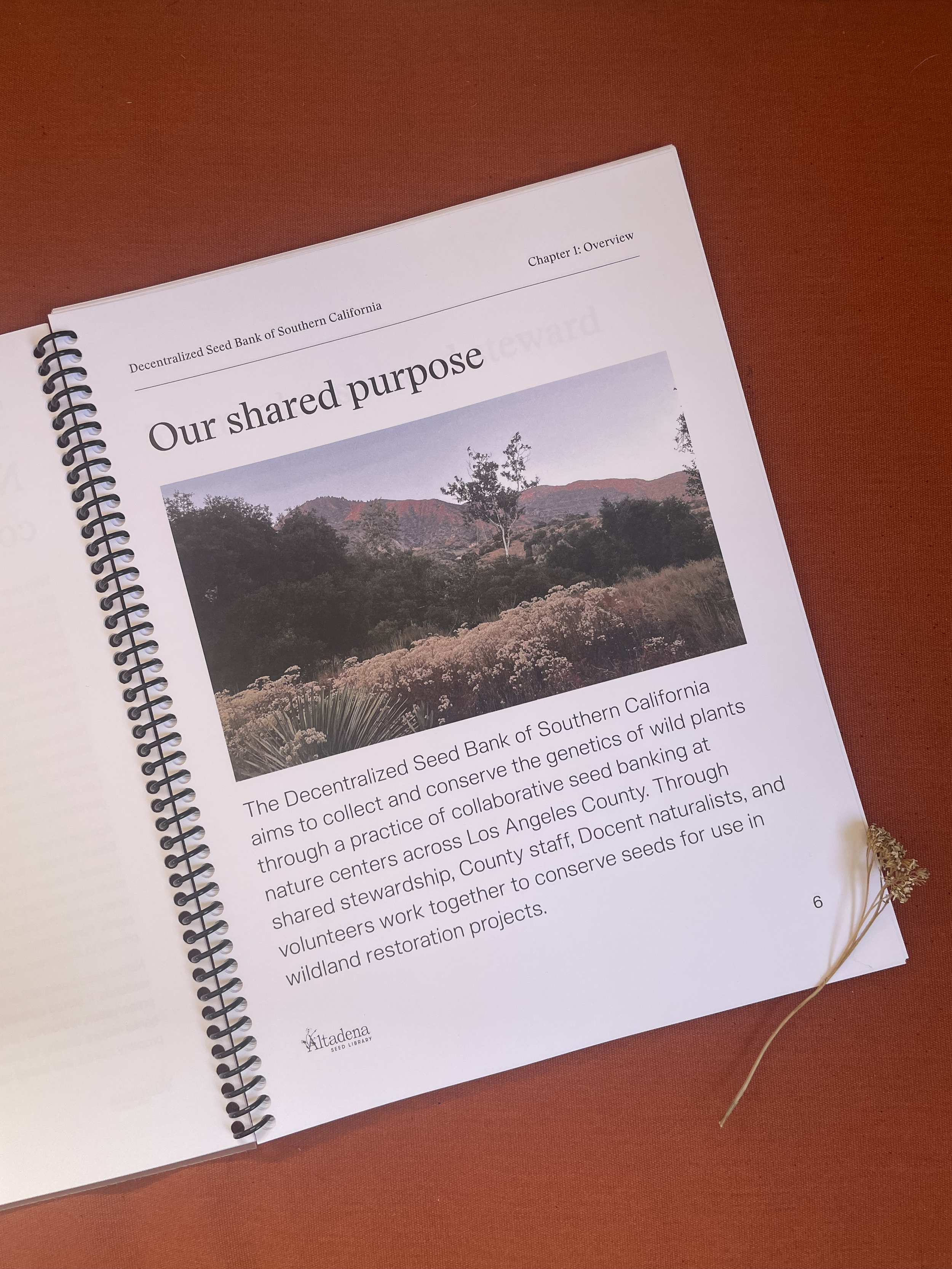
Approximately 16 nature centers are scattered across the Los Angeles basin, from Long Beach to Malibu to Altadena, providing a unique opportunity for seed storage. Conveniently located adjacent to wildlands and natural spaces, they provide a logical place to process and store collected seed. Further, most nature centers have a dedicated base of pre-trained Docent Naturalists who are invested in the well-being of adjacent wildlands.
Nature centers provide a unique opportunity
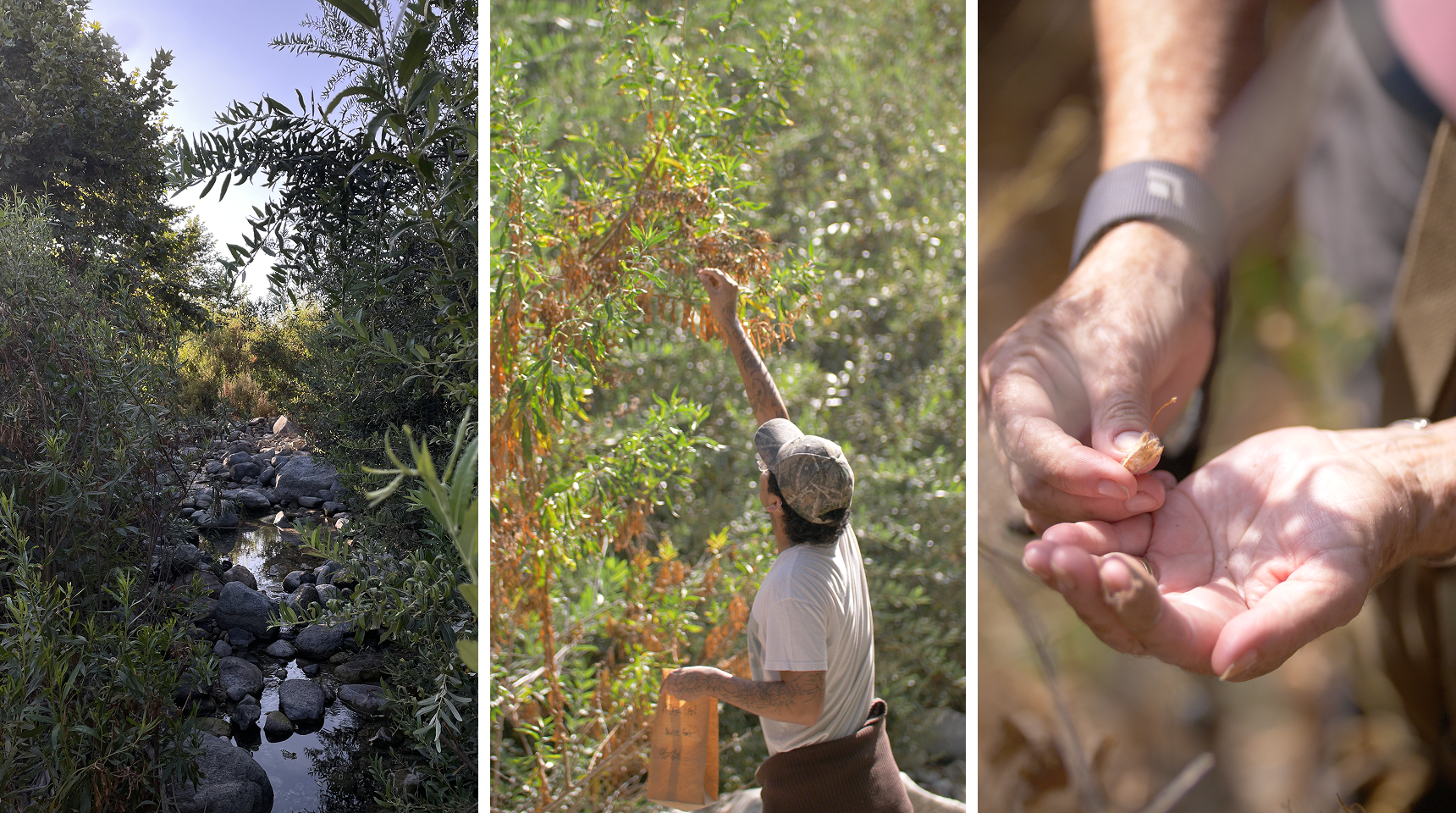
Pre-Eaton Fire
In 2024, County representatives approved a novel seed bank at Eaton Canyon. Programs were hosted at Eaton Canyon through CNPS San Gabriel Mountains Chapter to collect and process seeds for this conservation program. The seeds from these workshops were in safe keeping at my personal residence while the seed bank was in its planning phase.
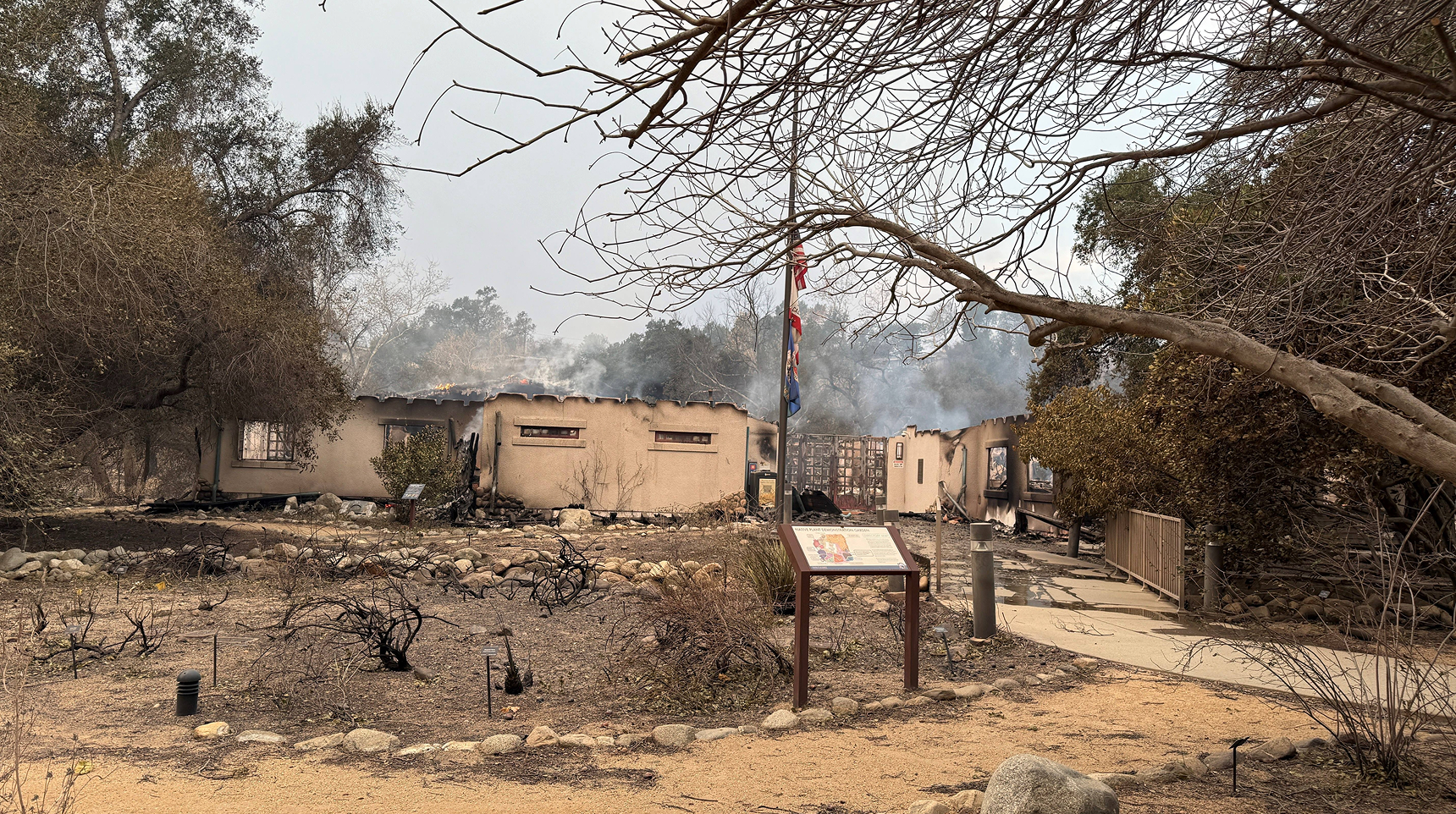
Post-Eaton Fire
In January 2025, a decommissioned power line sparked the Eaton Fire that destroyed 9,400 structures and 14,000 acres over 24 days. One of these structures was the Eaton Canyon Nature Center. Had the seed bank been established, the fire would have burned this collection of hyper-local seeds. This event catalyzed a new approach to this project, resulting in the decentralized model.
Goals and potential benefits
The goals of this project include:
Collect and conserve hyper-local seeds from plant populations adjacent to nature centers across the Los Angeles basin
Engender will for seed banking and engage community support through skill-building curriculum and trainings, provided to Docents and volunteers
Deepen established partnerships with mission-aligned organizations
Next steps
The project is currently in the early stages of implementation. At San Dimas Nature Center, I am working to finalize a seed collection calendar based on the staff and Docent’s provided list of plants, and have received some funding for equipment. At Eaton Canyon, a dedicated seed storage facility is being designed by Studio MLA and LA County, and is slated for construction this spring.
The seed banking curriculum is in an advanced draft stage, and is ultimately intended to be provided to interested Docents and volunteers. I am actively seeking feedback on this curriculum.
Funding is needed to finalize the curriculum and purchase equipment and supplies, and I am actively pursuing grants for this project.